Vietnam Oud · Est. in the forests of Khanh Hoa

The Soul of Vietnamese Agarwood

Kynam gathers the rarest wild and sustainably grown agarwood of Vietnam into pure oils, collector wood, and hand-crafted incense — for those who don’t simply want agarwood. They want the lifestyle it holds.

27
YEARS SOURCING VIETNAMESE AGARWOOD
41
COUNTRIES SHIPPED TO
4
GENERATIONS OF MASTER GRADERS
100%
CITES-COMPLIANT SOURCING

THE COLLECTION

Objects of Quiet Distinction

Each piece begins as raw agarwood, harvested by hand in Vietnam’s central highlands, and ends as an object meant to be lived with — worn, burned, gifted, or simply held.
OUR HERITAGE

Why Vietnam Agarwood?

Vietnamese agarwood, harvested from wounded Aquilaria trees in the central highlands and coastal islands, is considered by collectors and perfumers across Asia and the Middle East to hold the most complex aroma of any origin. Its density, aging potential, and rare Kynam grade set it apart from Cambodian, Laotian, and Indian agarwood.

For over a thousand years, agarwood from the forests of what is now Vietnam traveled the ancient trade routes as imperial tribute, carried to royal courts across Asia. Long before it was sold, it was given — a gesture that said more than words could.

What sets Vietnamese agarwood apart is not a single quality but a convergence of them: mineral-rich volcanic soil, a humid tropical-highland climate, and the particular species of Aquilaria that grows along the central coast, from Khanh Hoa to Phu Quoc. Together, they produce a resin profile that ages into something layered — sweet, bitter, cooling, and warm within a single breath.

Aroma complexity

Vietnamese agarwood is prized for a creamy, spiced, cooling profile that evolves as it warms.

Kynam (Kyara) grade

The rarest agarwood grade in the world originates almost exclusively from Vietnam.

Cultural depth

A thousand-year history as imperial tribute, temple offering, and diplomatic gift.

Verified sourcing

CITES-compliant, with documented chain of custody from forest to atelier.

Vietnam Oud vs. Cambodia, Laos & India

ORIGIN
AROMA PROFILE
RESIN CHARACTER
RARITY
TRADITIONAL REPUTATION
Vietnam
KYNAM ORIGIN
Creamy, spiced, honey, cooling finish
Dense, dark, high oil saturation
Extremely rare, especially Kynam grade
Historically reserved for royal courts and diplomatic gifts
Cambodia
Sweet, honeyed, soft floral
Medium-dense resin
Rare
Long favored in Gulf oud trade for refined sweetness
Laos
Soft sweetness, subtle spice
Medium resin
Increasingly scarce
Popular as a blending oud in regional perfumery
India (Assam)
Earthy, deep, leather, medicinal
Variable, different Aquilaria species
More abundant supply
Central to Ayurvedic and attar traditions for centuries
OUR STORY

A House Built on Patience

The heritage of Kynam and three generations of agarwood expertise

Kynam began not as a business plan, but as an inheritance. Three generations of graders in Khanh Hoa taught our founder to read a piece of wood before a single cut was made — by weight, by scent, by the way light moved across its grain.

We founded Kynam to bring that inheritance to a wider world: to collectors in Tokyo and Riyadh, to five-star resorts in the Maldives and Provence, to executives who understand that the rarest gifts are rarely the loudest. Every piece we offer has passed through the hands of a master grader before it reaches yours.

We are not in the business of selling incense. We are custodians of a Vietnamese craft that took a thousand years to become what it is, and we intend to make sure it exists for a thousand more.

THE CRAFT

The Journey of Kynam Agarwood

Agarwood formation cannot be rushed: it begins when an Aquilaria tree is wounded and, over years or decades, seals itself with fragrant resin. Kynam’s harvest process respects this timeline at every stage — from reading a living tree to hand-grading the finished wood — so that no tree is taken before it is ready.

01

The Wound

A natural injury — insect, lightning, or fungal infection — triggers the Aquilaria tree’s defense response, beginning a process that cannot be manufactured, only waited for.
02

The Resin Response

Over years, sometimes decades, the tree secretes aromatic resin around the wound, slowly transforming plain sapwood into fragrant heartwood.
03

The Reading

Master harvesters, trained across generations, “read” a living tree from the outside — by bark, by weight, by instinct — long before any cut is made.

04

The Harvest

Only resin-saturated heartwood is removed by hand. Where possible, the tree is left living, continuing to form resin for future generations.

05

Grading & Quality Control

Each piece is sorted by density, oil saturation, and aroma by graders trained over decades — the same process that identifies rare Kynam grade.
06

Craft & Distillation

Selected pieces are hand-carved, slow hydro-distilled into pure oil, or reserved whole for private collectors.

Key Takeaways

Agarwood formation is a natural process that can take decades and cannot be accelerated.

Harvesting is selective and hand-guided, prioritizing the long-term life of wild trees.

Grading determines both aroma quality and market value, from standard wood to Kynam.

THE HEALING LIFESTYLE

Stillness, Bottled in Wood

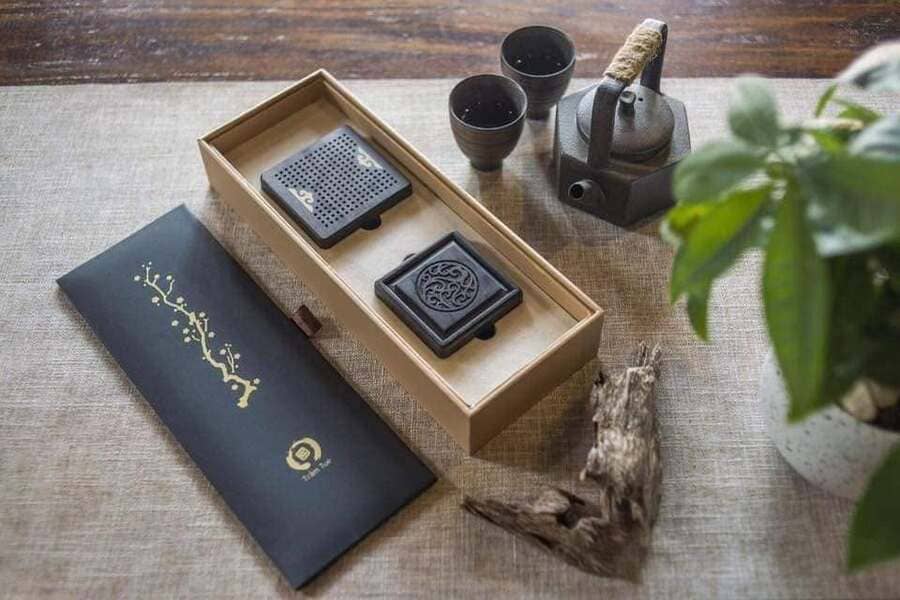
For centuries, agarwood has been burned in temples, tea houses, and meditation halls across Asia, valued as a companion to stillness rather than a cure for anything in particular. Its slow-release aroma is traditionally used to mark the transition into quiet practice, contemplation, and rest.
Agarwood wood and incense representing centuries of Asian meditation traditions

A Ritual of Transition

Many practitioners light agarwood as a marker between the noise of the day and the quiet of meditation or evening rest.

Grounding Presence

Its deep, warm aroma is traditionally associated with a grounded, unhurried state of mind, favored in yoga studios and retreats.

A Sensory Anchor

Practitioners of tea ceremony and kōdō use agarwood as a fixed point of attention — something to return to, breath after breath.

Considered Living

Beyond ritual, agarwood is woven into the daily rhythm of slow living — a private library, a closing door, a single lit cone.
COLLECTOR’S RESERVE

For Those Who Collect, Not Simply Own

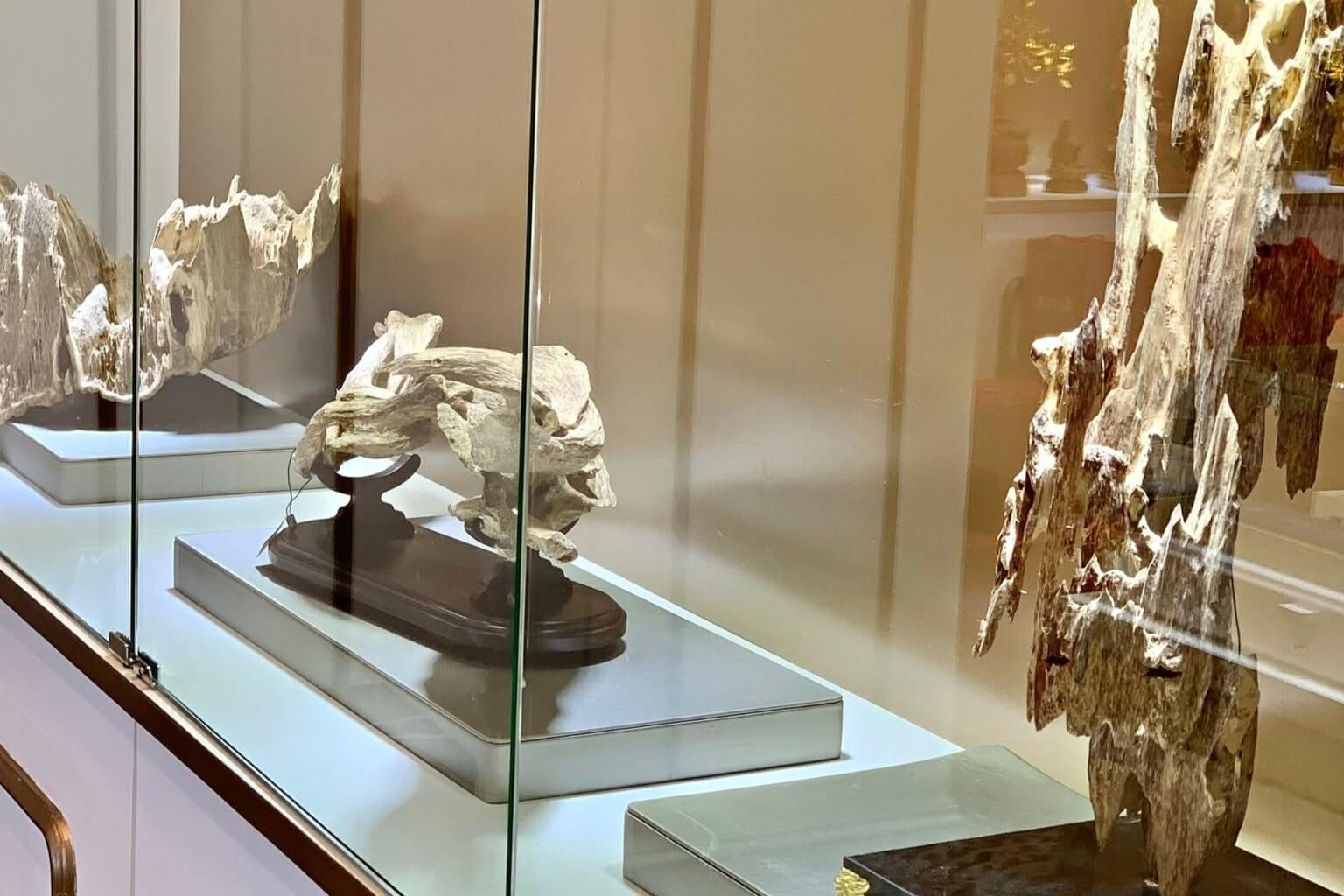
A small number of pieces each year meet the standard of the Kynam Reserve — Kyara-grade specimens, museum-quality carvings, and limited packaging reserved for private clients and institutional collections.
STANDARDS & TRUST

Why Collectors and Institutions Trust Kynam

Kynam’s authority in Vietnamese agarwood rests on three generations of grading experience, documented sourcing under CITES regulation, and an editorial commitment to accurate, non-exaggerated information about a material that is often misunderstood or misrepresented.

Our Story

Founded on a three-generation family grading practice in Khanh Hoa, continued today under a dedicated master perfumer.

Our Craftsmanship

Every specimen is hand-graded and, where relevant, hand-carved by artisans trained in traditional Vietnamese woodcraft techniques.

Research

We study Aquilaria cultivation, resin science, and regional grading systems to keep our guidance accurate and current.

Quality Standards

Each batch is assessed for density, oil saturation, and aroma consistency before it is approved for sale.

Export Experience

Decades of combined experience shipping agarwood internationally, from Tokyo to Dubai to Paris.

Certifications

CITES export permits and phytosanitary documentation accompany qualifying international shipments.

Authenticity Guarantee

A signed certificate of authenticity and origin accompanies every Kynam piece, with lab verification available on request.

Sustainability

We prioritize plantation-grown supply and documented chain-of-custody sourcing to protect wild Aquilaria populations.

Editorial Policy

Our Knowledge Center is written and reviewed by our own graders and perfumers, and updated as our understanding evolves.

Expert Insights

Our founder and team of graders contribute directly to the guides, grading notes, and buying advice we publish.

KNOWLEDGE CENTER

Learn Before You Collect

Our Knowledge Center gathers grading guides, authenticity checks, and cultural history written by Kynam’s own graders and perfumers, so that new collectors and long-time connoisseurs alike can buy agarwood with confidence rather than guesswork.
IN THEIR WORDS

Trusted by Collectors and Hospitality Worldwide

“Kynam’s Reserve piece we acquired now sits in our private collection alongside works we’ve spent decades assembling. The grading documentation alone told us this house understood what we were looking for.”
— Private Collector, Geneva
“We source in-room amenities for two resorts, and the consistency of Kynam’s incense — batch after batch — is what earned our long-term contract. Guests ask where the scent comes from.”
— Director of Guest Experience, Luxury Resort Group, Maldives
“As a gift for a retiring ambassador, agarwood said what a bottle of wine never could. The presentation box alone stopped the room.”
— Executive Assistant to a Diplomatic Office
“I’ve worked with oud houses across the Gulf for fifteen years. Kynam’s Kynam-grade oil is among the most honest representations of Vietnamese agarwood I’ve encountered.”
— Independent Perfumer, Dubai
FREQUENTLY ASKED QUESTIONS

Agarwood & Vietnam Oud, Answered

Below are the questions our concierge team hears most often from first-time buyers, collectors, and hospitality partners — covering authenticity, sourcing, grading, ritual use, and international shipping.

Vietnamese agarwood is the fragrant resinous wood formed inside wounded Aquilaria trees native to Vietnam’s central highlands and coastal forests. It is prized for a uniquely complex, creamy, and long-lasting aroma profile, and has been reserved for royal courts and master perfumers across Asia and the Middle East for centuries.

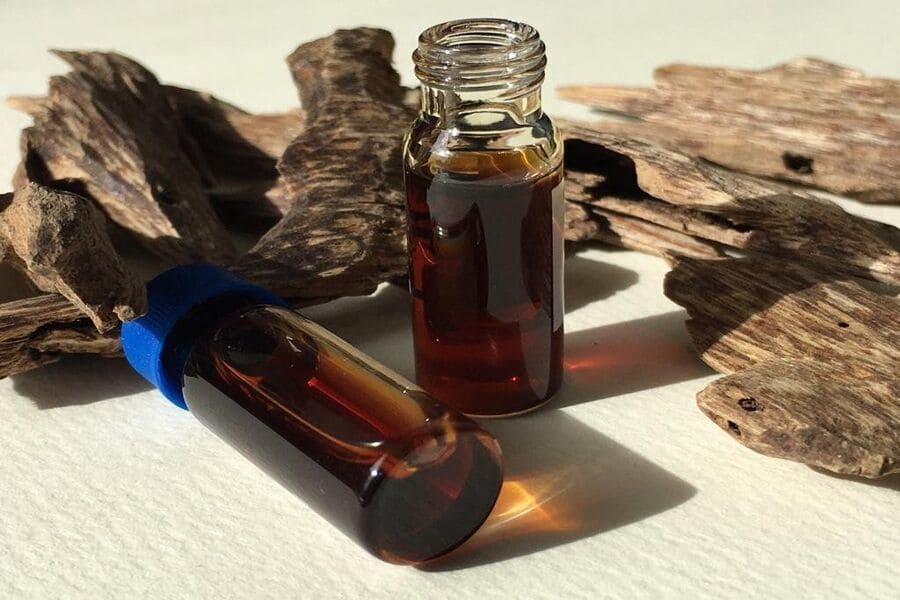
Agarwood is the resin-infused wood itself, while “oud” typically refers to the distilled oil or burned chips used in perfumery and incense traditions. In everyday trade language the terms are often used interchangeably, though agarwood technically describes the raw material.

Kynam, known as Kyara in Japanese kōdō tradition, is the rarest and most refined grade of agarwood, formed only under exceptional natural conditions over many decades. Its aroma is famously layered — sweet, bitter, cooling, and warm in a single note — which is why it commands the highest value among collectors.

When an Aquilaria tree is wounded — by insects, lightning, or fungal infection — it produces a fragrant resin as a natural defense response. Over years or decades, this resin saturates the surrounding heartwood, slowly transforming plain wood into fragrant agarwood.

Both. The rarest specimens, including Kynam grade, come from wild Aquilaria trees found in protected forest regions, while a growing share of sustainable supply comes from managed plantations using controlled inoculation methods that reduce pressure on wild populations.

Authentic agarwood has a dense, oil-saturated grain that sinks or partially sinks in water, a complex aroma that evolves over time when warmed rather than burned harshly, and natural variation in color and texture. Reputable houses provide lab verification and clear sourcing documentation.

Store agarwood oil in its original dark glass vial, tightly capped, away from direct sunlight and heat. Agarwood chips and wood should be kept in a sealed container in a cool, dry place to preserve their natural oils and prevent moisture damage.

CITES (the Convention on International Trade in Endangered Species) lists Aquilaria species under Appendix II to regulate international trade and protect wild populations. Legitimate agarwood exporters provide CITES permits and phytosanitary documentation with international shipments.

GET IN TOUCH

Begin With a Conversation

Whether you are acquiring a single reserve piece, sourcing for a five-star property, or simply curious where to begin — our concierge team responds personally, always within one business day.


    ATELIER & PRIVATE SHOWROOM
    12 Tran Phu, Nha Trang, Khanh Hoa, Vietnam
    PHONE
    +84 258 3555 268
    WHATSAPP
    +84 90 123 4567
    EMAIL
    concierge@kynam.com